- Home
- Leading Self
- Goal Setting for Success Course
- Chapter 11, Proper Perspective
Setting Realistic Goals for Yourself: Get the Perspective You Need to Succeed
Chapter 11: Proper Perspective
When you’re setting realistic goals for yourself, perspective is everything. If your goals are too vague or too extreme, you’ll either drift without progress or burn out in frustration. But when your goals are grounded in reality and connected to a meaningful purpose, they become a powerful engine for your growth as a leader, business owner, or motivated professional.
This chapter of the Goal Setting for Success course is about keeping your goals “real and right-sized” – not small, but realistic. You’ll learn how to test your goals against your true purpose, your current resources, and the kind of life you actually want to live.
Download Free: Goal Setting for Success eBook
You’ll also see how tools like the Life Balance – Success Wheel, your Master Action Plan (M.A.P.), and other key goal‑support tools from this course help you create goals you can believe in and follow through on.
You’ll discover how to set realistic goals for yourself that stretch you, fit your real life, and align with the person and leader you’re becoming.
Use this chapter together with the other modules in the Goal Setting for Success personal goal setting course, and you’ll move from scattered intentions to a clear, practical path you can act on every day. Think of it as the “perspective checkpoint” you return to whenever a goal starts to feel too big, too small, or out of sync with your values.
Realistic Goal Blueprint: 5 Simple Steps
f you only remember one thing from this chapter, use this simple blueprint whenever you’re setting realistic goals for yourself. It will help you turn big dreams into clear, realistic goals you can actually follow through on in your real life.
1) Clarify your purpose
Ask: “Why do I really want this?” and “Who does this goal serve?” When you connect each goal to a meaningful purpose, you’re more likely to choose realistic, important goals instead of chasing someone else’s idea of success.
2) Right-size the goal
Turn a vague desire into one specific, realistic goal. Make it clear, measurable, and time-bound. For example: “Over the next 90 days I will…” or “By the end of this year I will…”. A well-shaped goal should stretch you without ignoring your current responsibilities, energy, and resources.
3) Check your life balance
Use your Life Balance – Success Wheel (linked from your “goal-setting-worksheet” page) to see where this goal fits. Ask: “Which life or leadership area is this goal improving?” and “Does this realistic goal support, not sabotage, the rest of my life?” This keeps you from setting impressive goals that secretly throw you out of balance.
4) Build your Master Action Plan (M.A.P.)
Take your realistic goal and break it down into smaller, concrete actions using your Master Action Plan (M.A.P.) template (linked from your “action-plan-template” page). Decide exactly what you’ll do each day or week, when you’ll do it, and how you’ll measure progress. This is where you turn setting realistic goals for yourself into a simple, repeatable habit.
5) Create a simple review rhythm
Choose a weekly review time to look at your goals and your M.A.P. Ask: “Is this goal still realistic?” and “What small adjustment would keep me moving forward?” Regular review helps you adjust, not quit, when life changes.
This Realistic Goal Blueprint gives you a quick, skimmable process. In the rest of this chapter, you’ll see how to apply each step in more depth so you can keep setting realistic goals for yourself at home, at work, and in your business.
Jump To: 5-Simple Steps to Realistic Goals | Why Setting Realistic Goals Matter |Realistic vs Unrealistic Goals in Real Life | A Quick Reality and Purpose Check | Tools to Keep Your Goals Real & Achievable | Checklist & Mini-Planner | Success Lesson: Shift Your Mindset | Reflection Exercise | Download eBook
Why Setting Realistic Goals for Yourself Matters
Most people have no trouble dreaming big. The problem usually shows up when it’s time to turn that dream into a realistic, achievable goal. Without the right perspective, your goals can quietly work against you.
The Cost of Unrealistic Goals
Unrealistic goals sound exciting, but they often:
- Ignore your current resources, skills, and time
- Depend on “magic moments” instead of consistent effort
- Lead to guilt and discouragement when you fall short
For example:
- Unrealistic: “I will double my small business revenue in 30 days with no extra budget or staff.”
- More realistic: “Over the next 12 months, I will increase revenue by 20% by adding one new service, improving my follow‑up process, and contacting 10 new prospects each week.”
Both are ambitious. Only one is grounded in a clear, workable plan that a real person with a real life can actually follow.
When you keep setting unrealistic goals for yourself, you train your mind to expect failure. Over time, you start to believe you’re “not good at this,” when in reality, your goals were simply out of balance with your situation.
Realistic vs. Unrealistic Goals in Real Life
Here are a few role‑specific examples to help you spot the difference when you’re setting realistic goals for yourself.
Frontline Manager
Unrealistic goal:
“I will completely eliminate turnover on my team this quarter.”
More realistic goal:
“Over the next six months, I will reduce voluntary turnover on my team by 15% by holding monthly one‑on‑ones, improving new‑hire onboarding, and recognizing good performance every week.”
Why this works:
It has a clear metric, a longer and more reasonable timeframe, and concrete leadership actions you can actually control.
Solopreneur or Small Business Owner
Unrealistic goal:
“Starting from zero, I will get 10,000 email subscribers in the next 60 days.”
More realistic goal:
“Over the next six months, I will grow my email list to 1,000 engaged subscribers by publishing one helpful article each week, offering a relevant lead magnet on key pages, and promoting it in two targeted communities every week.”
Why this works:
The goal is still ambitious, but it’s tied to consistent marketing actions and a timeframe that matches how audiences typically grow.
Personal Growth
and Self-Leadership
Unrealistic goal:
“I will completely stop procrastinating starting tomorrow.”
More realistic goal:
“For the next 30 days, I will start each workday by spending 25 minutes on my most important task before checking email or social media.”
Why this works:
It focuses on one specific habit, with a clear daily action and a defined trial period, instead of promising a total personality change overnight.
The Power of Realistic, Purpose-Driven Goals
Realistic goals are not “small” goals. They are:
- Clear and specific
- Connected to a strong “why”
- Aligned with your values and life priorities
- Supported by a practical plan and timeline
When you learn how to set realistic goals for yourself:
- You experience more wins and fewer false starts
- Your confidence grows because your actions match your intentions
- You become a stronger, more trustworthy leader in your own eyes and in the eyes of others
This is the foundation of true self‑leadership. You stop chasing extreme, short‑term outcomes and start building a steady, sustainable path to success.
A Quick Reality and Purpose Check
Before you commit to any major goal, run it through a simple Reality and Purpose Check. This will help you set meaningful, realistic goals for yourself instead of chasing someone else’s idea of success.
5-Question Goal Checkup
Take one of your current goals and ask the following questions:
1. Purpose
- Why do I really want this goal?
- Who does it help beyond me (my family, team, customers, community)?
2. Timeframe
- Is my timeframe realistic given my current resources, responsibilities, and energy?
- Could I still feel good about this goal if I extended the deadline?
3. Trade-offs
- What am I willing to give up to make this happen (time, money, comfort, habits)?
- Are those trade‑offs acceptable and sustainable?
4. Skills and Support
- Do I have, or can I realistically acquire, the skills, tools, and support I’ll need?
- Who can I ask for guidance or accountability?
5. Alignment
- Does this goal support the kind of leader, business owner, or person I want to become?
- Does it fit with my other priorities, or will it pull me out of balance?
If a goal fails this test, don’t abandon it. Adjust it. This is what it means to be wise and intentional when setting realistic goals for yourself.
Example: Turning a Vague Dream into a Realistic Goal
Vague dream: “I want to get in shape and have more energy this year.”
Reality and Purpose Check:
- Purpose: “I want the energy to lead my team well and be fully present with my family.”
- Timeframe: “I can commit to changes over the next 90 days and then reassess.”
- Trade-offs: “I’m willing to walk 30 minutes a day and limit late‑night screen time.”
- Skills and support: “I can ask a friend to walk with me twice a week and use a simple fitness tracker.”
- Alignment: “This supports my health, my leadership, and my family life.”
Realistic goal:
- “Over the next 90 days, I will walk at least 30 minutes, five days per week, and be in bed by 10:30 p.m. on weeknights so I have more energy for my work and family.”
This is how you move from wishful thinking to setting realistic, meaningful goals for yourself that you can actually live with.
Tools to Keep Your Goals Real and Achievable
This chapter builds on tools introduced earlier in the Goal Setting for Success personal goal setting course, especially the Life Balance – Success Wheel, your Master Action Plan (M.A.P.), and the broader library of goal‑support resources like Facing Fear, Responding to Failure, Mastering Your Time, and Visualization Techniques.
Together, these tools help you move from “I hope this works” to “I have a clear, realistic path I can follow.”
Life Balance – Success Wheel
The Life Balance – Success Wheel helps you see your life as a whole. Common categories include:
- Career or business
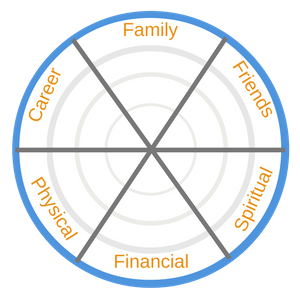
- Finances
- Health and fitness
- Family and relationships
- Personal growth
- Fun and recreation
- Contribution or spirituality
Choose categories that truly matter to you and reflect the kind of life you want as a leader or solopreneur.
Quick Action – Choose One Realistic Improvement
For each category, ask:
- “On a scale of 1–10, where am I today?”
- “What is one realistic improvement I can make in the next 90 days?”
Then, set one clear, realistic goal for one or two key areas. Instead of trying to transform everything at once, you’re now setting realistic goals for yourself that move you forward without overwhelming you.
Master Action Plan (M.A.P.)
Think of your Master Action Plan as the bridge between intention and execution. It takes the goals you’ve carefully shaped and breaks them into practical, time‑bound steps so you always know what comes next.
Your M.A.P. turns your goals into specific, trackable actions. It answers:
 Read Details: Master Action Plan (M.A.P.) Template
- What exactly will I do?
- When will I do it?
- How will I measure progress?
When you can clearly answer these questions, you move beyond vague wishes and into focused, confident action.
Your Master Action Plan also makes it easier to adjust along the way. You can shift dates, swap tasks, or refine your steps without abandoning the goal itself. This is how you turn realistic goals for yourself into consistent progress instead of one‑time bursts of effort.
Quick Action – Sanity-Check Your Plan
As you build or review your Master Action Plan:
- Check that your deadlines match your real schedule
- Break big steps into small daily or weekly tasks
- Adjust your plan until it feels challenging but doable
This is where you turn setting realistic goals for yourself into a daily behavior, not just a concept.
Realistic Goal-Setting Checklist & Mini-Planner
Use this short checklist any time you set a new goal for yourself. You can work through it in a notebook, on your computer, or directly on your Master Action Plan (M.A.P.) template. The goal is to make realistic goal setting simple, fast, and repeatable.
Step 1 – Write your realistic goal statement
[ ] What exactly do I want to achieve?
- Example: “Over the next 90 days, I will…”
[ ] Why does this matter to me and the people I serve?
- (Team, customers, family, community)
[ ] When will I know this goal is complete?
- (Choose a clear date or milestone.)
Step 2 – Run a quick Reality and Purpose Check
[ ] Is my timeframe realistic given my current responsibilities and energy?
[ ] Do I have, or can I reasonably get, the skills and support I need?
[ ] What trade-offs (time, money, habits) am I truly willing to make?
[ ] Does this realistic goal fit with my Life Balance – Success Wheel, or will it throw me off balance?
Step 3 – Build your first Master Action Plan (M.A.P.) steps
[ ] List 3–5 specific actions you will take in the next 30 days.
[ ] Assign each action a day and time on your calendar.
[ ] Decide how you’ll measure progress each week (numbers, checkmarks, short journal notes, etc.).
Step 4 – Protect your focus
[ ] Choose one daily or weekly “non‑negotiable” habit that supports this goal.
- Example: “Start each workday with 25 minutes on my most important task before checking email.”
[ ] Identify one distraction or low‑value activity you will reduce or eliminate to make room for this goal.
Step 5 – Set a review and adjust date
[ ] Pick a weekly review time to update your M.A.P. and check your progress.
[ ] Set a date (30, 60, or 90 days out) to ask: “Is this still a realistic goal for me?” and adjust the goal or the plan as needed.
As you use this checklist, you’ll train yourself to keep setting realistic goals for yourself that match your real life, your values, and the leader you’re becoming – instead of chasing extremes or settling for less than you’re capable of.
Using the Wider Library of Goal Support Tools
Earlier in the course, you were introduced to a wider set of tools that help you deal with the real‑world challenges that come with any meaningful goal: fear, setbacks, time pressure, and self‑doubt. These include:
"Be here on purpose. Part of that purpose should be to learn and grow. Apply all your efforts to become your best self. Strain your potential until it cries for mercy."
- Techniques for facing your fears about big changes
- Practical ways to respond constructively when things don’t go as planned
- Approaches for managing your time so your goals are not constantly pushed aside
- Simple mental imagery exercises that keep your goals vivid and motivating
How These Tools Support Realistic Goals
When you combine these tools with the Life Balance wheel and your M.A.P.:
- You face uncomfortable emotions instead of letting them quietly shrink your goals
- You expect some failure and course corrections, and build them into your plan
- You protect focused time for your highest‑priority actions
- You regularly picture yourself following through successfully, which strengthens your belief that your realistic goals are achievable
This entire library of resources is designed to help you keep setting realistic goals for yourself – goals that account for your humanity, your limits, and your potential.
"Purpose is what gives life meaning."
- Charles Perkhurst
Success Lesson #22: Shift Your Mindset: From Alley-Cat to Confident Leader
Even the best tools will fall flat if you secretly believe you don’t deserve success or can’t change. Your mindset shapes the size and style of the goals you set.
The Alley-Cat Story
The following fable was once told by Dr. Joseph Perry Green during a lecture in New York:
"A common mongrel cat and a fine Persian cat often
met in an alley. The alley cat noticed that people seemed to love the
Persian cat very much. She was petted and fed, and everybody was kind to
her and called to her when they saw her.
But with the alley cat things went in the reverse. Nobody came near to pet her; in fact, everybody seemed to run away from her, except the boys and dogs, which would chase her, and the other cats of the neighborhood, who were constantly fighting with and abusing her.
Once day she asked the Persian cat what made the tremendous difference between them; why it was that she, the Persian cat, received such good treatment from everybody, while she, the poor alley cat, was treated so shamefully?
The Persian cat replied, 'Why, that is because I am puffed up with confidence. I know I am some cat! The reason you get such treatment as you do is because everybody can see that you think you are nothing but a miserable, despised, mongrel cat.'
The poor alley cat felt terribly depressed and despondent, and asked how she could change all this. The Persian cat told her "Begin believing in yourself. Start setting goals for yourself. Repeatedly tell yourself: 'I am a wonderful cat; everybody loves me, everybody is kind to me.'
The alley cat commenced doing this and soon she noticed that the treatment she received began to change. This encouraged her to keep thinking better of herself.
She kept affirming that she was 'some cat,' and gradually she was recognized as such, although she had no Persian blood in her. She had, however, adopted a Persian cat consciousness.
As a result, the alley-cat consciousness was cast out by the larger, richer consciousness she had adopted."
Similar to the alley cat, you've probably known someone who always seems to expect the worst. Even with safety and abundance right in front of it, the cat acts like it’s still on the streets because of self-limited beliefs.
Many people approach their goals the same way. They’ve lived for so long with a “bare‑minimum” mindset that they:
- Set goals that are either too small or wildly unrealistic
- Sabotage themselves when things start to go well
- Return to old habits because they don’t yet see themselves as successful, capable people
What This Means for Your Goals
When you see yourself as a “miserable alley cat,” you’re likely to:
- Set safe, half‑hearted goals you don’t care about
- Chase extreme, fantasy‑based goals with no real plan
- Quit early because deep down you don’t believe “someone like you” can win
When you start seeing yourself as a capable, purpose‑driven leader:
- You set goals that stretch you but remain realistic
- You choose goals that serve others, not just your ego
- You keep going when it’s hard, because you trust who you’re becoming
Setting realistic goals for yourself doesn’t mean thinking small. It means believing you are “some cat”, someone who deserves to grow, contribute, and succeed – and then backing that belief with a clear, workable plan.
A Simple Daily Affirmation Practice
To support this mindset shift:
- Each morning, write or say:
“I am becoming the kind of leader who sets realistic goals and follows through.”
- Repeat any time you review your goals or your M.A.P.
- Over time, your self‑image and your goals will rise together.
Reflection Exercise: Adjust One Goal Today
Before you move on to the next chapter, take a few minutes to apply what you’ve learned about setting realistic goals for yourself.
5-Minute Reflection Questions
- Write down one current goal you’ve set for yourself.
- Ask: “What is the deeper purpose behind this goal?”
- Ask: “If I cut this goal in half (timeframe, size, or scope), would it still move me forward meaningfully – and be more realistic?”
- Ask: “What is one small action I can take this week to prove I’m serious about this goal?”
- Adjust your goal based on your answers.
Checklist for New and Aspiring Leaders
Use this quick checklist whenever you’re setting meaningful, realistic goals for yourself:
- Does this goal help me serve my team, customers, or family better?
- Can I clearly describe the first three actions I’ll take?
- Would a trusted mentor say this goal is realistic for the next 90 days?
- Does this goal fit with my other priorities and my Life Balance wheel?
- Does this goal excite me enough to persist when challenges arise?
If you can answer “yes” to most of these, you’re on the right track.
Revisit this checklist whenever you feel stuck, and you’ll get better and better at setting realistic goals for yourself in every area of your life.
Download Goal Setting for Success eBook
Download our free Goal Setting for Success eBook: Download PDF
Inside, you’ll get: The full step‑by‑step course content for all chapters and sections; Motivational Lessons for Success at the end of each chapter; Worksheets and examples you can print or use digitally; and Guidance tailored to both personal life and leadership at work. This chapter has helped you step back and see your goals with proper perspective, so you can keep setting realistic goals for yourself over the long term.
To access all of our tools simply subscribe to our free newsletter. You will immediately receive a password that grants access to our entire leadership tools library.
Your privacy is important to us. We never share or sell email addresses.
Next Goal Setting for Success Chapters




Contact Information:
phone
(503) 970-9777
Email Customer Service
helpsupport@leadership-tools.com
Email Richard
richard@leadership-tools.com

By Richard Gorham
Leadership-Tools.com
2879 Riverwalk Loop, Eugene, Oregon, 97401
Copyright (c) 2003 - 2026 All Rights Reserved